












Find your focus.
Stay with what matters.
The right sensory input can make it easier to tune out distractions, manage restless energy, and stay engaged with what you’re doing. Explore sensory tools designed to support focus at school, at work, at home, or wherever your attention needs a little extra help.
Maybe you find it hard to sit still. Maybe background noise pulls your attention in every direction. Or perhaps your hands need something to do before your mind can settle into a task. Sensory tools can provide helpful input while you read, learn, work, create, or simply try to stay present.
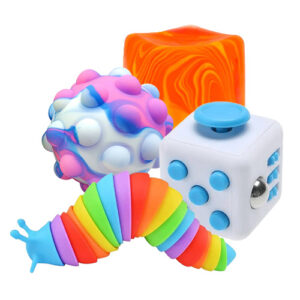
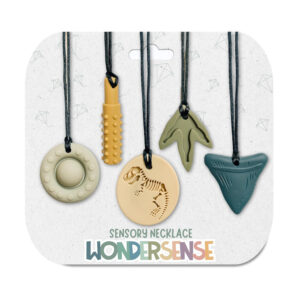
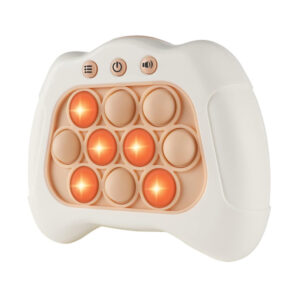
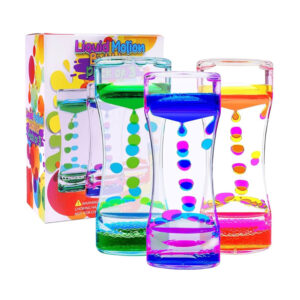
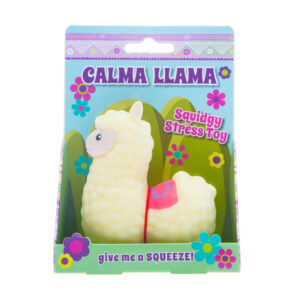
Give busy hands something purposeful to squeeze, spin, roll, click, or move.
Reduce distractions
Create a more comfortable environment when sounds, movement, or other sensory input compete for your attention.
Stay engaged
Sensory input can give some people the stimulation they need to remain involved in a task for longer.
Support transitions
Useful tools for moving into homework, study time, desk work, meetings, or other activities that require sustained attention.
Fidget Toys for Focus
Sometimes, keeping your hands busy can help your mind stay with the task.
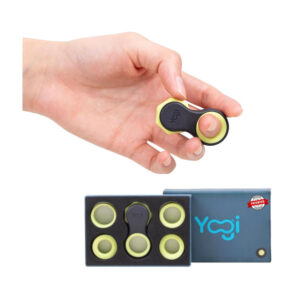
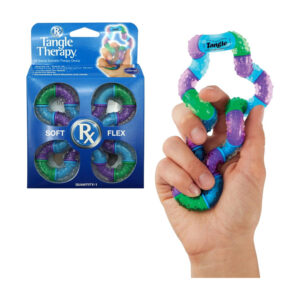
Fidget toys provide movement and tactile input through actions such as squeezing, spinning, clicking, rolling, stretching, or manipulating an object. The key is finding a fidget that gives you the sensory input you enjoy without becoming the distraction itself.
Recommended Fidget Toys (All Ages)
Great for desks, classrooms and study spaces
Look for fidgets that are:
- Quiet
- Easy to use with one hand
- Repetitive rather than overly stimulating
- Small enough to keep nearby
- Comfortable to use for longer periods
Turn Down the Noise
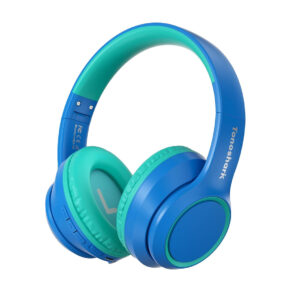
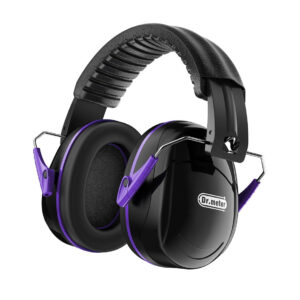
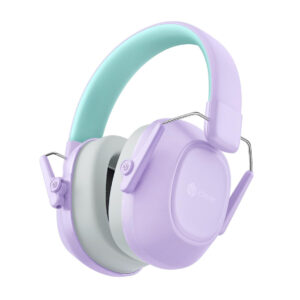
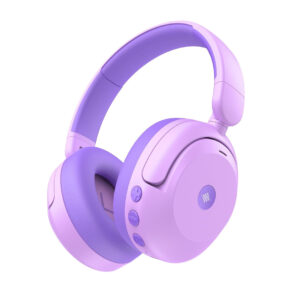
Headphones & Ear Defenders
Conversations, traffic, appliances, classrooms and busy offices can all compete for your attention.
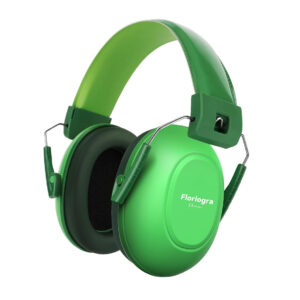
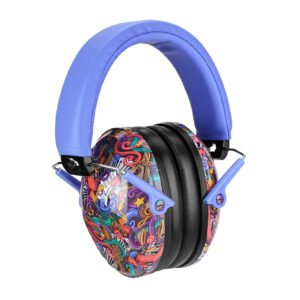
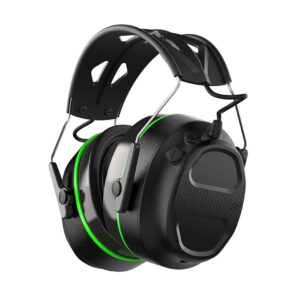
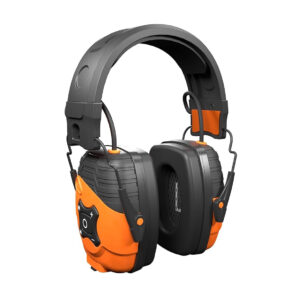
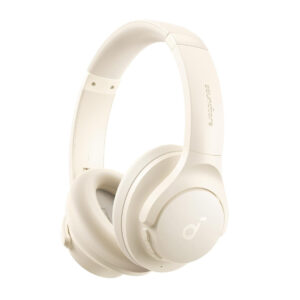
Noise-reducing ear defenders and headphones can help create a quieter sensory environment, making it easier to concentrate when the world around you feels a little too loud or distracting.
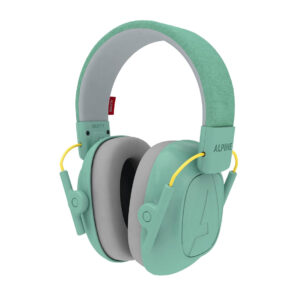
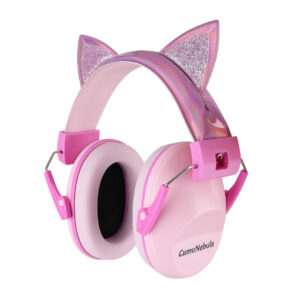
Hearing Protection for Kids
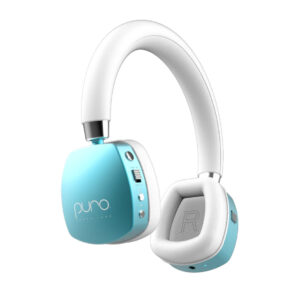
Hearing protection for kids helps reduce loud noises that could be uncomfortable or harmful to their ears. Items such as children’s ear defenders or noise-reducing earmuffs can make noisy places feel calmer and help protect hearing during events like concerts, fireworks, sporting events, or busy environments.
All Headphones and Hearing Protection
Give Your Body the Input It Needs
Focus isn’t only about what is happening in your mind.
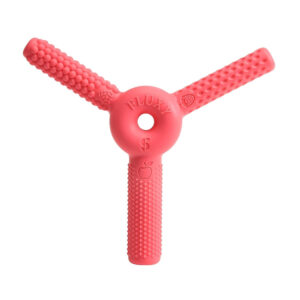
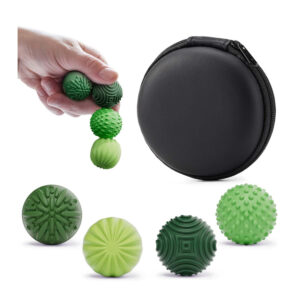
Some people concentrate better when their body is receiving the kind of sensory input it is looking for — like movement, resistance, pressure, or something tactile to interact with.
Explore tools that can add sensory input without having to leave the task completely.
Create a Focus-Friendly Space
Sometimes the environment matters just as much as the task.
A few thoughtful changes can make a desk, homework station, classroom, reading corner, or workspace feel easier to use.
- Turn down background noise — A quieter environment can make it easier to concentrate. Ear defenders or headphones may help when everyday sounds become distracting.
- Keep visual distractions to a minimum — A clear, uncluttered space can help reduce competing sensory input and keep attention on the task at hand.
- Make room for movement — Sitting still isn’t always the best way to focus. Allow space to stretch, fidget, rock, or take short movement breaks when needed.
- Keep sensory tools within reach — Having a favourite fidget, tactile toy, or other sensory aid nearby means it’s there when extra input is needed.
- Think about lighting — Bright or flickering lights can be distracting for some people. Softer lighting or natural daylight may create a more comfortable space for concentrating.
- Make it personal — There isn’t one perfect environment for focus. Experiment with sound, movement, lighting, seating, and sensory tools to discover what helps you focus best.
Even a few deep breaths or a quick reset with a sensory tool can make a big difference. You deserve moments of calm.
You've got this
Understanding Sensory Issues
Understanding the vocabulary around sensory issues is really important because it gives us the words to describe experiences that can otherwise be hard to explain. When we know terms like hypersensitivity, hyposensitivity, sensory seeking, or sensory avoiding, we can better recognize what we or someone else is feeling and how to get better support.

What Is Sensory Processing?
Sensory Processing has to do with how the nervous system receives, organizes, and responds to sensory input. Here’s an easy explanation.

Hypersensitivity vs Hyposensitivity
Understanding hypersensitivity and hyposensitivity patterns to see why us and others react differently in daily life.

Common Conditions with Sensory Issues
Learn how many people with sensory processing differences experience challenges in everyday life, often alongside certain conditions.

The Behavioral Signs of Sensory Issues
How covering ears, picky eating, avoiding textures, constant movement, or difficulty with transitions have to do with sensory issues.


