









Sensory Tools for Calm
Sensory tools can help ease stress, reduce overwhelm, and bring a sense of calm to your day. Explore our calming tools to help you reset and recharge.
Calm Looks Different for Everyone
If you struggle with sensory input and you are looking for calm, there are some sensory tools designed specifically to make your environment or the sensations in your body feel more comfortable and predictable. What feels calming is very individual, so the right tool depends on the kind of sensory input you enjoy or find overwhelming. However, common products include:
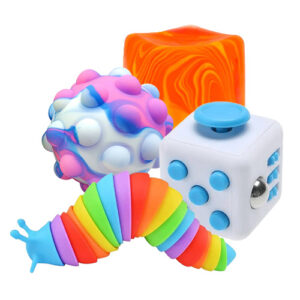
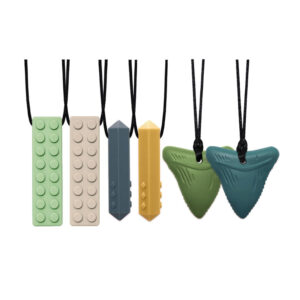
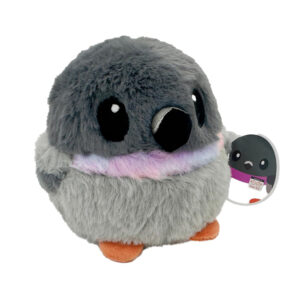
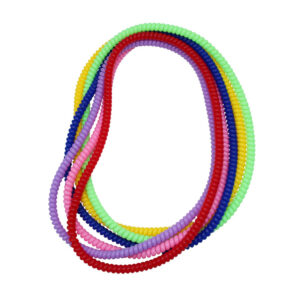
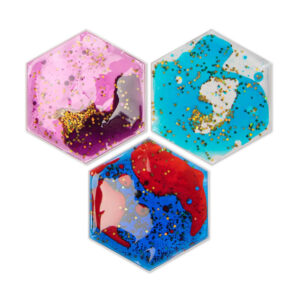
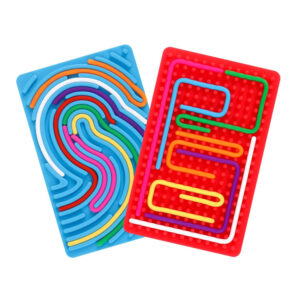
- Fidget and tactile tools can give your hands something repetitive to do. Soft stress balls, putty, smooth worry stones, tangles, textured toys and quiet fidgets can also provide gentle sensory input without demanding too much attention.
- Deep-pressure and weighted tools give a more grounding sensation. Weighted lap pads, weighted blankets, compression products and soft body cushions may feel comforting to people who enjoy firm, consistent pressure.
- Sound-reducing tools such as ear defenders, earplugs and noise-reducing headphones. These can help when busy or unpredictable sounds become overwhelming.
Fidget Toys
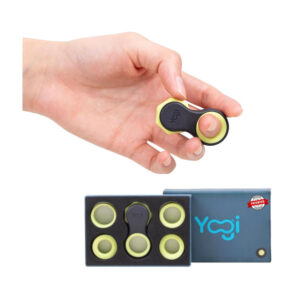
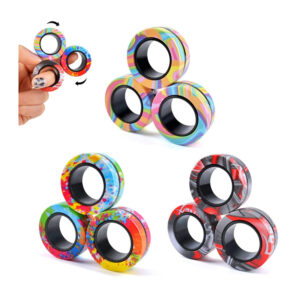
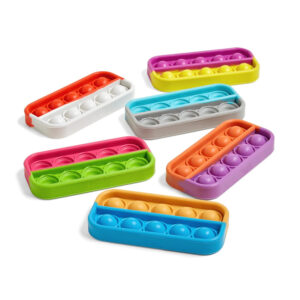
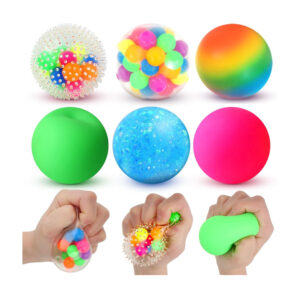
Fidget toys are small toys that you can touch, squeeze, spin, click, or stretch with your hands. In simple words, a fidget toy is a toy that you play with using your fingers to help you feel calm, focused, or less bored. Some common fidget toys include fidget spinners (you spin them with your fingers), pop-its (you press the bubbles in and out), stress balls (you squeeze them), and fidget cubes (they have buttons, switches, and rollers to click and move). Some people with conditions like ADHD or autism find certain fidget toys helpful, though they don’t help everyone.
Recommended Fidget Toys (All Ages)
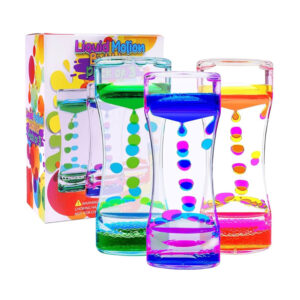
Fidget toys are designed to give your hands something repetitive and satisfying to do. Depending on the toy, you might squeeze, spin, click, twist, roll, stretch, pop or rub it. Do you want to learn more about fidget toys? Here’s the full explanation!
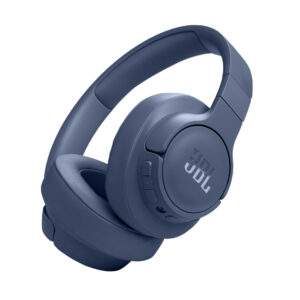
Featured Headphones
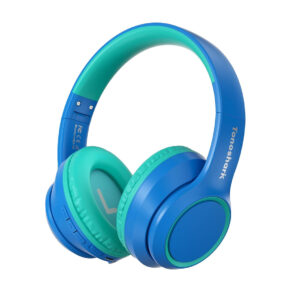
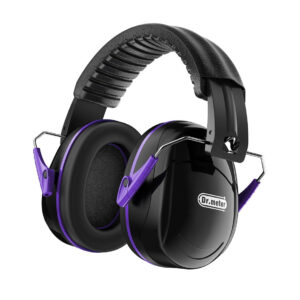
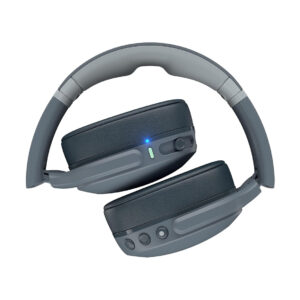
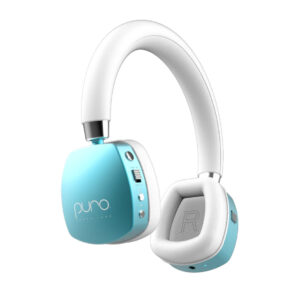
Headphones can help people with sensory issues by reducing loud or distracting sounds. This can make them feel calmer, more comfortable, and better able to focus in noisy places. Ear muffs, on the other hand, help by blocking or reducing loud noises. They can make busy or noisy places feel calmer and more comfortable, helping to reduce stress and sensory overload.
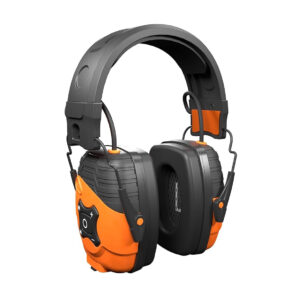
Hearing Protection for Kids
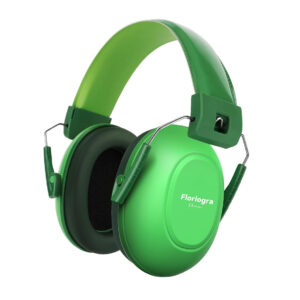
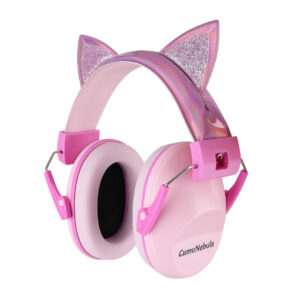
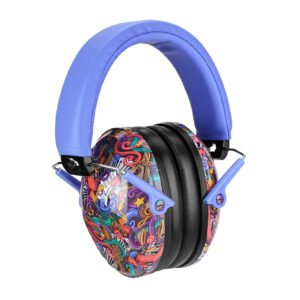
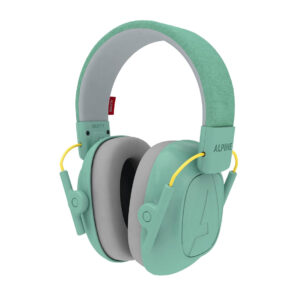
Hearing protection for kids helps reduce loud noises that could be uncomfortable or harmful to their ears. Items such as children’s ear defenders or noise-reducing earmuffs can make noisy places feel calmer and help protect hearing during events like concerts, fireworks, sporting events, or busy environments.
More Headphones and Hearing Protection
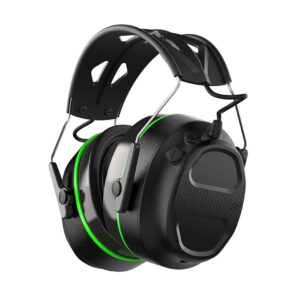
If you are looking for headphones for adults, the options are even more varied. For example:
Even a few deep breaths or a quick reset with a sensory tool can make a big difference. You deserve moments of calm.
You've got this
Tools that help soothe racing thoughts and calm your body.
Reduce overwhelm
Gentle sensory input to help you reset and feel grounded.
Support emotional regulation
Helpful for big feelings, meltdowns, and emotional moments.
Create a calm space
Build a sensory-friendly environment that supports calm.
Understanding Sensory Issues
Understanding the vocabulary around sensory issues is really important because it gives us the words to describe experiences that can otherwise be hard to explain. When we know terms like hypersensitivity, hyposensitivity, sensory seeking, or sensory avoiding, we can better recognize what we or someone else is feeling and how to get better support.

What Is Sensory Processing?
Sensory Processing has to do with how the nervous system receives, organizes, and responds to sensory input. Here’s an easy explanation.

Hypersensitivity vs Hyposensitivity
Understanding hypersensitivity and hyposensitivity patterns to see why us and others react differently in daily life.

Common Conditions with Sensory Issues
Learn how many people with sensory processing differences experience challenges in everyday life, often alongside certain conditions.

The Behavioral Signs of Sensory Issues
How covering ears, picky eating, avoiding textures, constant movement, or difficulty with transitions have to do with sensory issues.


