













Thoughtfully curated tools for sensory wellbeing, focus & calm.

Sensory Tools for Children

Sensory tools for children are objects and equipment that provide different kinds of touch, movement, sound, visual or body-based sensory input. They can be useful at home, at school, while travelling or during everyday situations that a child finds difficult, busy or overwhelming.

Every child experiences the world differently, which means what feels calming and comfortable for one child might not feel the same for another. Sensory tools can offer different kinds of input depending on what your child needs in the moment. Some provide movement for busy bodies, others offer tactile sensations for curious hands, while tools for sound, deep pressure and visual input can help create a more comfortable sensory environment.

For younger children especially, products should also be age-appropriate and used according to their safety instructions, with attention to small parts, chewing, cords, batteries and other potential hazards.

Finding the Right Sensory Tools for a Child

The important thing is to choose sensory tools around the individual child rather than their diagnosis. One autistic, ADHD or otherwise neurodivergent child might find a particular sensation soothing while another actively dislikes it. A useful sensory tool is one that matches what the child naturally seeks out, avoids or seems to find regulating.

Explore the different types of sensory tools below to discover what your child enjoys and what might help them feel comfortable, settled and ready for what comes next. 

Tools for Tactile Input

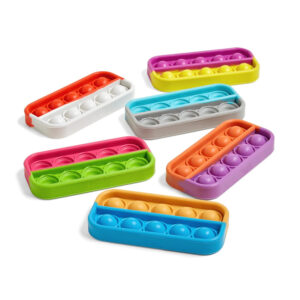
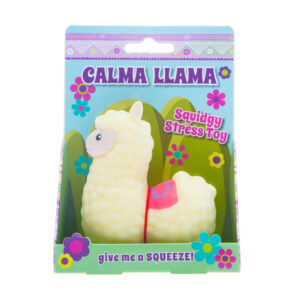
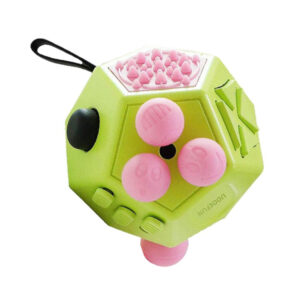
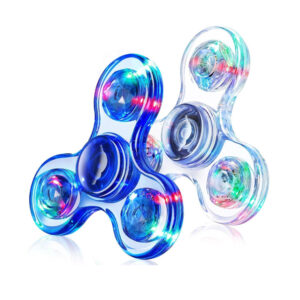
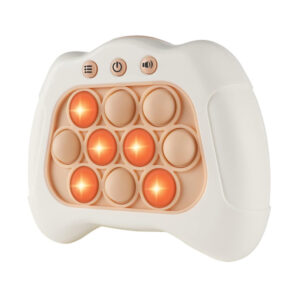
For children who enjoy touch and tactile input, sensory putty, dough, textured balls, squishies, sensory brushes and tactile toys offer different sensations to squeeze, stretch, stroke and explore. Fidget toys can serve a similar purpose, particularly when a child likes keeping their hands occupied while listening or concentrating. Do you want to learn more about fidget toys? Here’s the full explanation!

Sensory Seeking

Seeking Movement

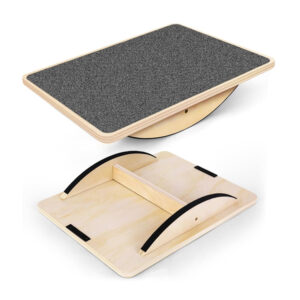
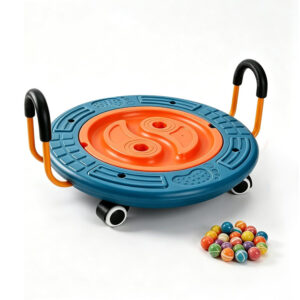
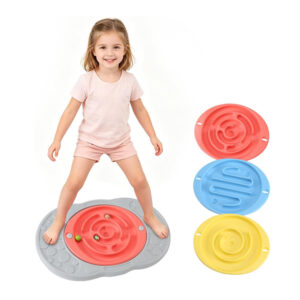
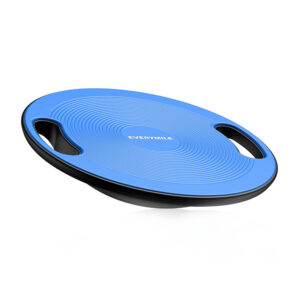
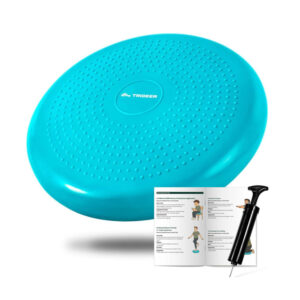
For children who seek movement, tools such as wobble cushions, balance boards, stepping stones, resistance bands and bouncing or rocking equipment can provide an appropriate way to move their bodies. Some children find movement energising, while others find repetitive movement helps them feel more settled.

To Protect From Sound

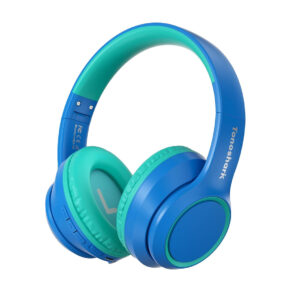
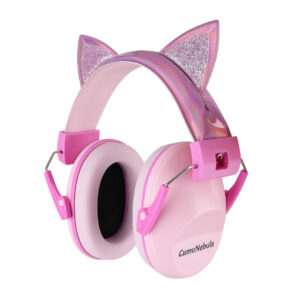
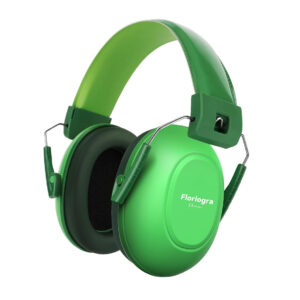
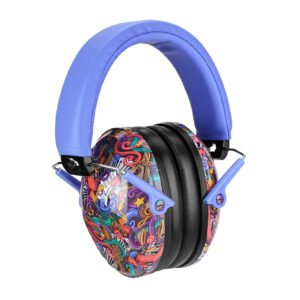
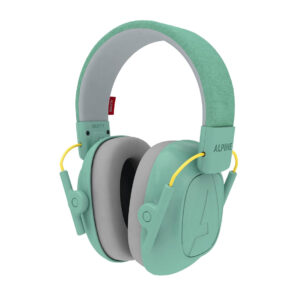
When noise is overwhelming, child-sized ear defenders or suitable noise-reducing headphones can soften the sensory environment. Headphones can help reduce loud or distracting sounds and ear muffs block or reduce loud noises, too. In short, these tools can make busy or noisy places feel calmer and more comfortable, helping to reduce stress and sensory overload.

Focus Seeking

Visual Aids

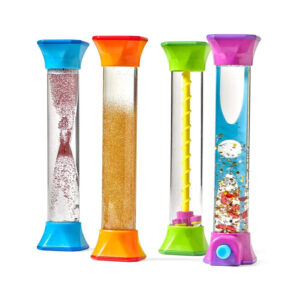
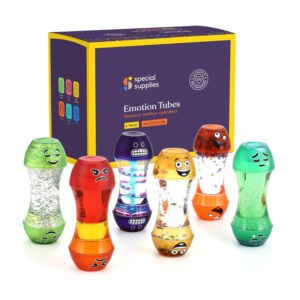
There are also visual sensory tools, including liquid timers, sensory lights and slow-moving visual toys. These can create something predictable and interesting to watch, although children who are easily visually overstimulated may prefer a simpler environment instead.

Recommended Fidget Toys (All Ages)

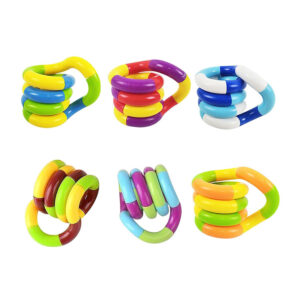
Fidget toys are designed to give your hands something repetitive and satisfying to do. Depending on the toy, you might squeeze, spin, click, twist, roll, stretch, pop or rub it. Do you want to learn more about fidget toys? Here’s the full explanation!

A little calm, anytime

Even a few deep breaths or a quick reset with a sensory tool can make a big difference. You deserve moments of calm.

Sensory Tools - Icon
Pause
Sensory Tools - Icon
Breathe
Sensory Tools - Icon
Reset
Sensory Tools - Icon

You've got this

Understanding Sensory Issues

Understanding the vocabulary around sensory issues is really important because it gives us the words to describe experiences that can otherwise be hard to explain. When we know terms like hypersensitivity, hyposensitivity, sensory seeking, or sensory avoiding, we can better recognize what we or someone else is feeling and how to get better support.