





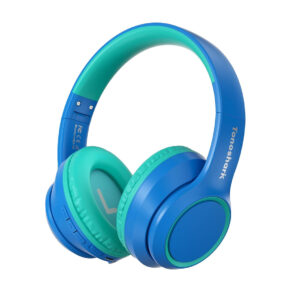

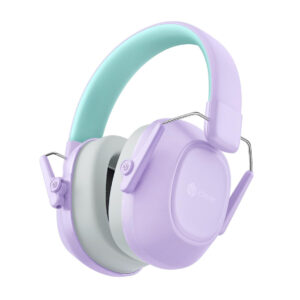
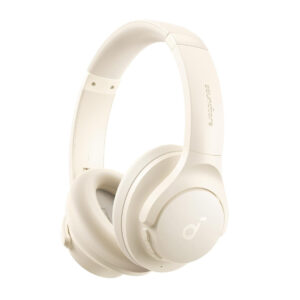
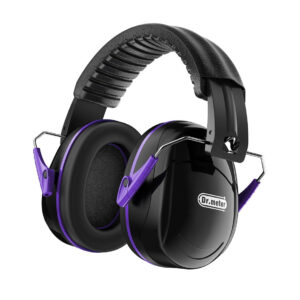
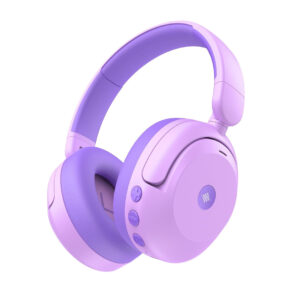




Comfort for noisy & overwhelming environments
Everyday sounds can sometimes feel much louder, busier or more intense than they do to others. Ear defenders and noise-reducing headphones can help soften the sensory load, creating a more comfortable listening environment without needing to avoid the world around you completely.
Turn Down the Noise
Headphones & Ear Defenders
Crowded spaces, classrooms, shopping centres, travel, events or even the hum of everyday life can quickly become overwhelming. Conversations, traffic, appliances, classrooms and busy offices can also all compete for your attention.
Noise-reducing ear defenders and headphones can help create a quieter sensory environment, making it easier to concentrate when the world around you feels a little too loud or distracting.
Hearing Protection for Kids
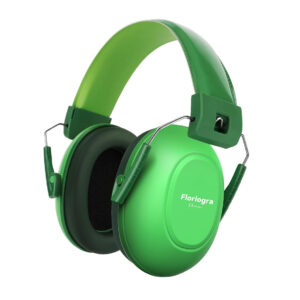
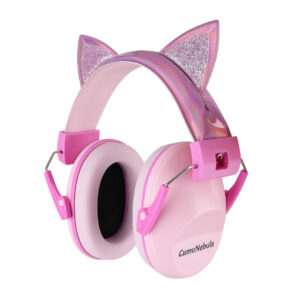
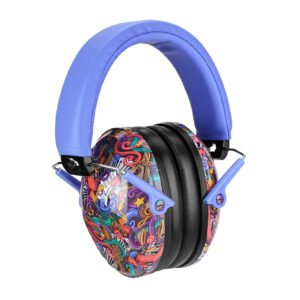
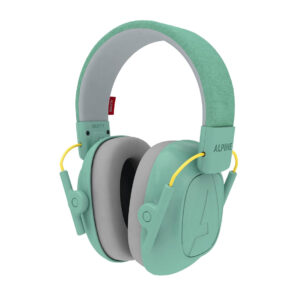
Hearing protection for kids helps reduce loud noises that could be uncomfortable or harmful to their ears. Items such as children’s ear defenders or noise-reducing earmuffs can make noisy places feel calmer and help protect hearing during events like concerts, fireworks, sporting events, or busy environments.
All Headphones and Hearing Protection
Even a few deep breaths or a quick reset with a sensory tool can make a big difference. You deserve moments of calm.
You've got this
Understanding Sensory Issues
Understanding the vocabulary around sensory issues is really important because it gives us the words to describe experiences that can otherwise be hard to explain. When we know terms like hypersensitivity, hyposensitivity, sensory seeking, or sensory avoiding, we can better recognize what we or someone else is feeling and how to get better support.

What Is Sensory Processing?
Sensory Processing has to do with how the nervous system receives, organizes, and responds to sensory input. Here’s an easy explanation.

Hypersensitivity vs Hyposensitivity
Understanding hypersensitivity and hyposensitivity patterns to see why us and others react differently in daily life.

Common Conditions with Sensory Issues
Learn how many people with sensory processing differences experience challenges in everyday life, often alongside certain conditions.
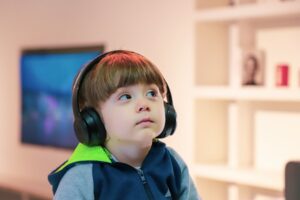
The Behavioral Signs of Sensory Issues
How covering ears, picky eating, avoiding textures, constant movement, or difficulty with transitions have to do with sensory issues.


