












Find the sensory input you’re looking for.
Move. Touch. Fidget. Explore. Sometimes, your body just needs more. More movement. More texture. More pressure. Something to squeeze, stretch, spin, chew, bounce or fiddle with. Explore sensory tools for people who seek out extra sensory input — helping busy hands and bodies find satisfying ways to move, touch and fidget.
Sensory seeking can look different for everyone. You might find yourself constantly moving, touching objects, fiddling with things in your hands, or looking for stronger and more interesting sensations. Finding the right sensory tools can provide an enjoyable and purposeful way to get the input you’re looking for.
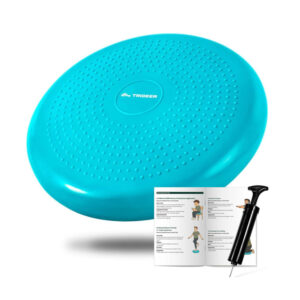
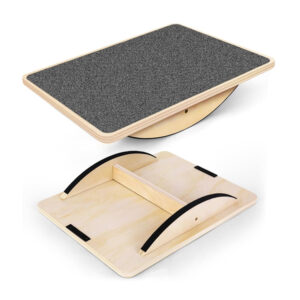
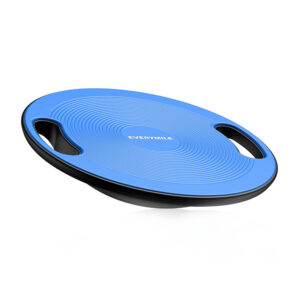
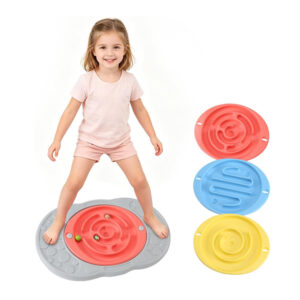
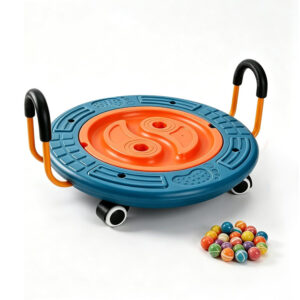
For bodies that find it difficult to stay still. Movement-based sensory tools can provide opportunities to bounce, rock, wobble, stretch and move.
Need to touch?
Love interesting textures? Tactile sensory tools give curious hands plenty to squeeze, squish, stroke, pull and explore.
Need to fidget?
Sometimes hands just need to be busy. Fidget toys provide repetitive movement and tactile feedback wherever you need it.
Looking for stronger sensory input?
Some people enjoy more noticeable sensations — from firm squeezes and resistance to vibration, texture and movement.
Get Moving
Movement & Active Sensory Tools
Some people naturally seek out movement throughout the day — rocking on a chair, bouncing a leg, pacing, jumping or constantly changing position.
Movement-based sensory tools give the body an outlet for that need for activity.
Whether it’s bouncing, balancing, wobbling or stretching, the right tool can make it easier to add movement into play, learning, work or everyday routines.
Explore movement through:
-
Bouncing: Sensory balls and active seating can provide repetitive movement and whole-body input.
-
Balancing & wobbling: Balance boards, wobble cushions and similar tools add movement even when staying in one place.
-
Stretching & resistance: Resistance bands and stretchy sensory tools provide satisfying feedback while encouraging muscles to work.
-
Rocking & swinging: Rhythmic movement can provide the vestibular input some sensory seekers naturally look for.
Recommended Movement Toys
Touch, Squish & Explore
Tactile Sensory Tools
Smooth. Bumpy. Squishy. Stretchy. Soft. Spiky.
For tactile sensory seekers, exploring different textures can be incredibly satisfying.
Tactile toys give hands something interesting to investigate through touch — whether that means squeezing something soft, running fingers over an unusual texture, stretching a flexible toy or digging hands into sensory materials.
Try:
-
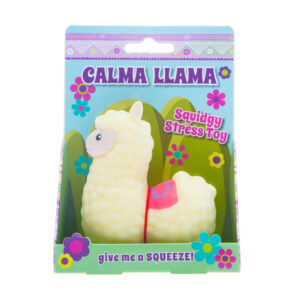
Squishy & squeezable: For hands that love to squeeze, squash and apply pressure.
-
Textured & spiky: Interesting surfaces provide more noticeable tactile feedback for fingers and palms.
-
Stretchy & resistant: Pull, twist and stretch for a combination of tactile input and resistance.
-
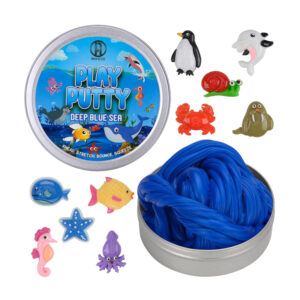
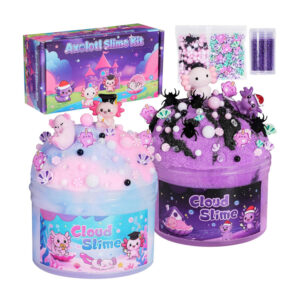
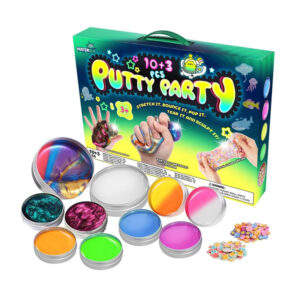
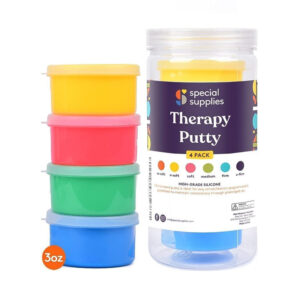
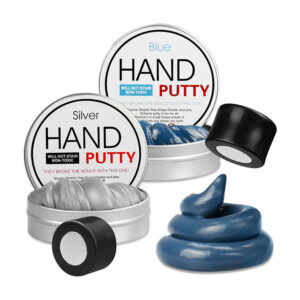
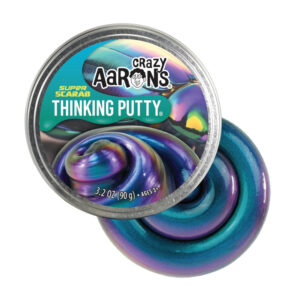
Messy & mouldable: Putty, dough and other sensory materials encourage hands-on exploration, squeezing, rolling and shaping.
Recommended Sensory Toys
Keep Your Hands Busy
Fidget Toys
Fidget toys provide small, repetitive movements that can satisfy the urge to keep your hands occupied.
There isn’t one type of fidget that works for everyone. Some people love something they can continuously spin, while others prefer clicking, popping, squeezing or manipulating something between their fingers.
What kind of fidgeter are you?
- The Spinner: Look for spinners, rings and toys with smooth, repetitive movement.
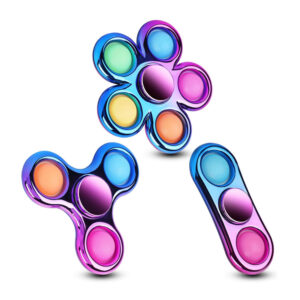
- The Popper: Love pressing buttons and bubbles? Try poppers, dimple toys and clickers.
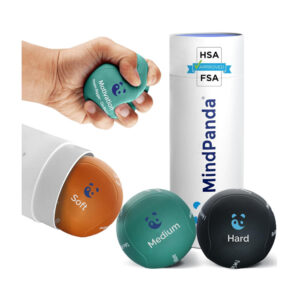
- The Squeezer: Choose stress balls, squishies and other toys that provide resistance when squeezed.
- The Fiddler: Try cubes, tangles, chains and manipulatives with lots of little movements to explore.
Recommended Fidget Toys
Create a Sensory-Seeking Toolkit
Different moments can call for different kinds of sensory input, so it can be useful to have a few options available.
Consider including:
Something to move with
A wobble cushion, resistance band or other movement tool for when your whole body needs activity.
Something to squeeze
A stress ball, putty or resistant fidget for firm tactile input.
Something to fiddle with
A small fidget that can be kept in a pocket, pencil case, bag or on a desk.
Something with texture
A tactile tool with an interesting surface to touch and explore.
Something stretchy
Stretchy toys or resistance tools can combine movement, tactile input and resistance.
Something you simply enjoy
Sensory preferences are personal. The best sensory tool is one that provides the kind of input you find satisfying.
Sensory seeking isn’t one-size-fits-all.
One person might love constant movement but dislike strong textures. Another might be happiest squeezing something in their hands. Someone else might want a little bit of everything.
Pay attention to the sensations you naturally seek out and experiment with different tools to discover what feels right.
There doesn’t have to be a complicated reason behind it. Sometimes, your body knows what it’s looking for.
Even a few deep breaths or a quick reset with a sensory tool can make a big difference. You deserve moments of calm.
You've got this
Understanding Sensory Issues
Understanding the vocabulary around sensory issues is really important because it gives us the words to describe experiences that can otherwise be hard to explain. When we know terms like hypersensitivity, hyposensitivity, sensory seeking, or sensory avoiding, we can better recognize what we or someone else is feeling and how to get better support.

What Is Sensory Processing?
Sensory Processing has to do with how the nervous system receives, organizes, and responds to sensory input. Here’s an easy explanation.

Hypersensitivity vs Hyposensitivity
Understanding hypersensitivity and hyposensitivity patterns to see why us and others react differently in daily life.

Common Conditions with Sensory Issues
Learn how many people with sensory processing differences experience challenges in everyday life, often alongside certain conditions.

The Behavioral Signs of Sensory Issues
How covering ears, picky eating, avoiding textures, constant movement, or difficulty with transitions have to do with sensory issues.


