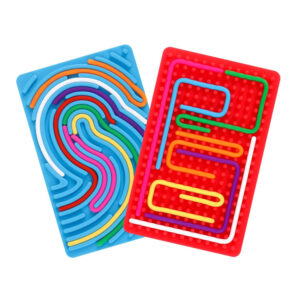
Double-Sided Silicone Sensory Activity Board
This board is made of soft, flexible silicone and features a unique double-sided design, with each side perforated to allow threading and weaving.
This board is made of soft, flexible silicone and features a unique double-sided design, with each side perforated to allow threading and weaving.
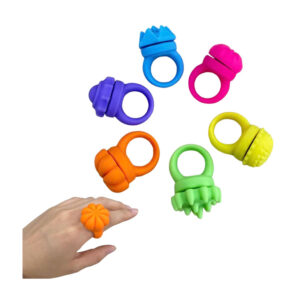
These innovative spinner rings combine the fun of a classic fidget spinner with the convenience of wearable design, perfect for on-the-go play.
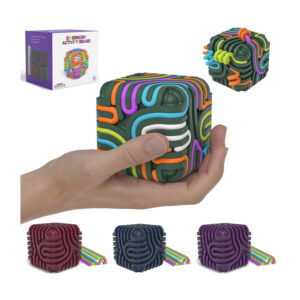
Made with soft, flexible silicone, this cube features a variety of textures, buttons, and pressable elements that invite squeezing, poking, and rubbing.
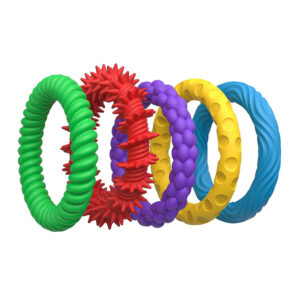
Each bracelet features a unique texture and vibrant hues, making it a fashionable accessory that also helps enhance concentration and soothe nerves.
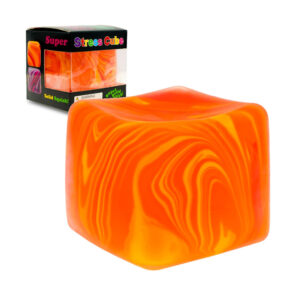
The Rising Squishy Stress Ball is a fun, tactile toy designed to relieve anxiety and keep hands busy. Made from soft, squeezable material.
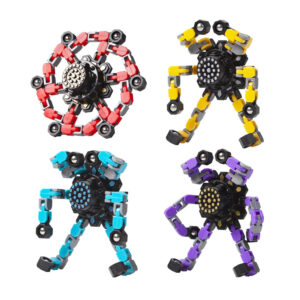
The Gokeey Transformable Fidget Spinners set includes four vibrant fingertip gyros designed to provide stress relief and sensory stimulation.
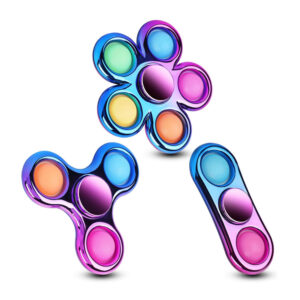
The FIGROL Handheld Fidget Toys (pack of 3) is perfect for kids, teens, and even adults who need a little sensory stimulation.
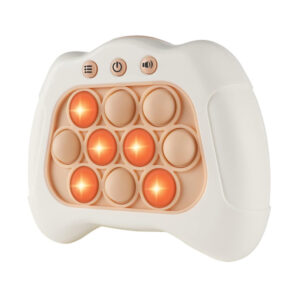
Pop The Target! is a handheld speed-pushing game machine designed for solo play or head-to-head competition. Compact and lightweight.
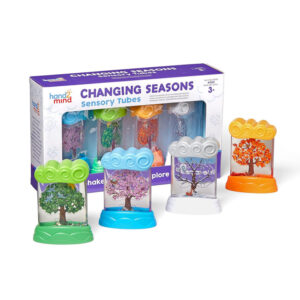
Each visual sensory set features four easy-to-grip, color-coded tubes representing a different season: spring, summer, fall, and winter.
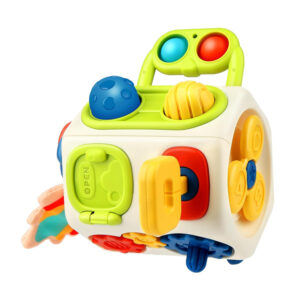
The Vanmor Montessori Busy Cube for Toddlers is an 8-sided hands-on sensory toy designed to support early learning through play.
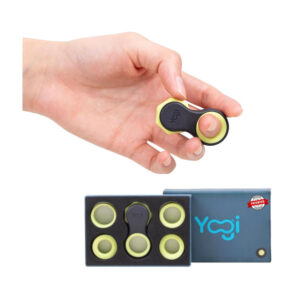
The Yogi Fidget Toy is a premium, silent sensory spinner designed to provide discreet stress relief and enhance focus for both adults and children.
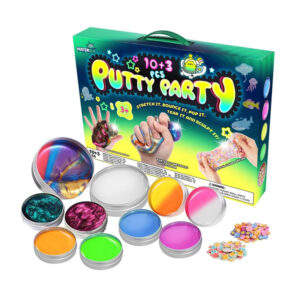
With a soft, moldable texture, this non-sticky putty can be squeezed, stretched, rolled, and shaped, offering a satisfying tactile feedback.
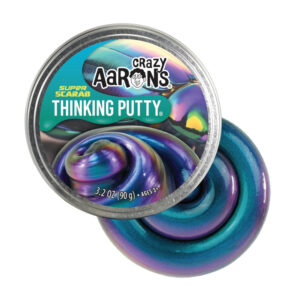
This unique putty stretches, squishes, bounces, and snaps while creating stunning illusion-style patterns that shift and change as you manipulate it.
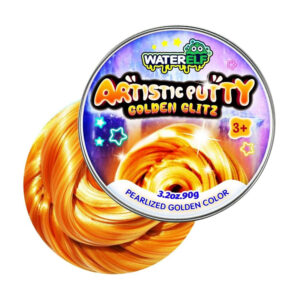
The Waterelf Creative Therapy Dough is a soft, non-toxic, and non-sticky sensory putty designed for hands-on fun and stress relief.
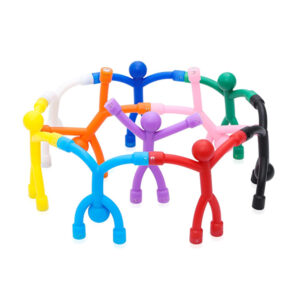
These Magnetic Travel Fidget Magnets offer a simple yet satisfying way to keep hands busy while adding a playful touch to any magnetic surface.
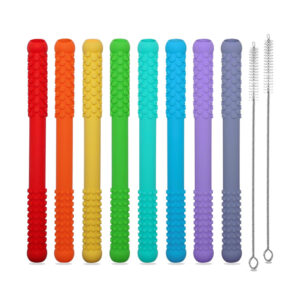
Designed for sensory exploration and oral motor development, these silicone teether tubes are perfect for babies and children with sensory needs.