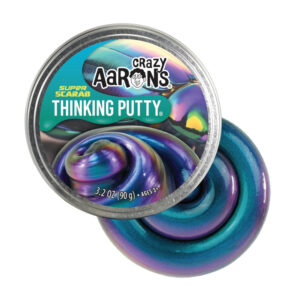
Crazy Aaron’s Thinking Putty Super Scarab Color
This unique putty stretches, squishes, bounces, and snaps while creating stunning illusion-style patterns that shift and change as you manipulate it.
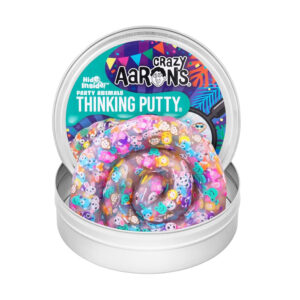
This unique putty stretches, squishes, bounces, and snaps while creating stunning illusion-style patterns that shift and change as you manipulate it.
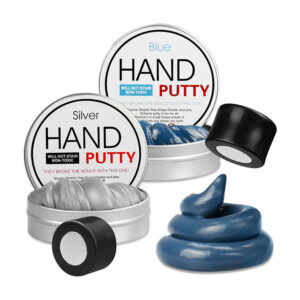
This sensory slime offers a fun, hands-on way to relax, focus, and explore texture through play. It’s soft, stretchy, and easy to manipulate.
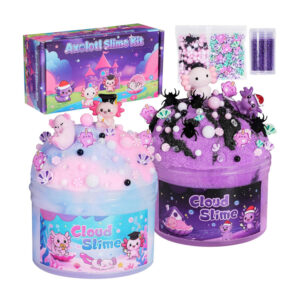
Designed with a light, cloud-like texture, this slime with axolotl charms stretches smoothly and feels gentle in the hands, perfect for playing.
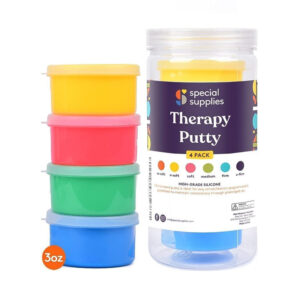
The Special Supplies Therapy Putty for Adults is designed to support hand strengthening, stress relief, and sensory regulation through controlled exercise.
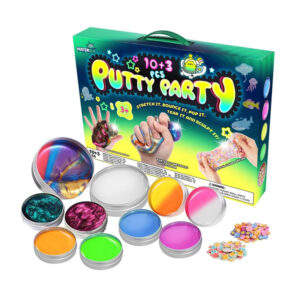
With a soft, moldable texture, this non-sticky putty can be squeezed, stretched, rolled, and shaped, offering a satisfying tactile feedback.
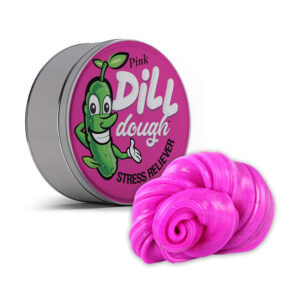
The GearsOut Stress Reliever Therapy Toy is a hands-on fidget designed to provide calming tactile stimulation while strengthening hand muscles.
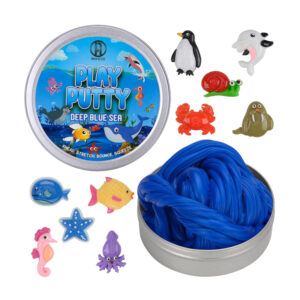
Recommended by occupational therapists, this therapy putty is ideal for adults and teens recovering from injuries or seeking a tactile way to relieve stress.
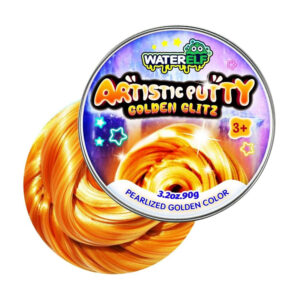
The Waterelf Creative Therapy Dough is a soft, non-toxic, and non-sticky sensory putty designed for hands-on fun and stress relief.
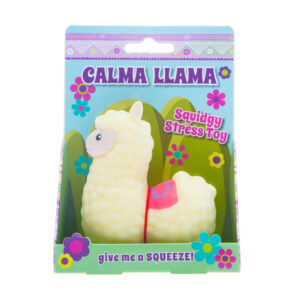
The Calma Llama stress toy is a playful silicone fidget companion shaped like a charming little llama. Feels tactilely engaging without being stiff.
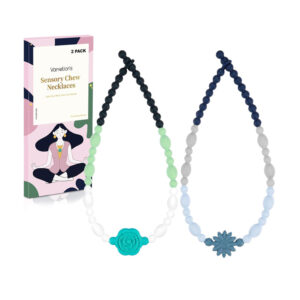
The Sensory Chewelry Flower Necklace is a stylish and functional chewable accessory designed to support sensory needs for both kids and adults.
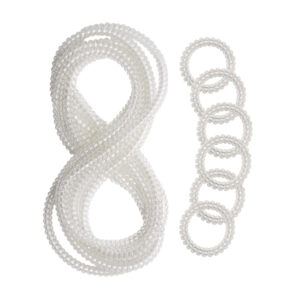
Perfect for kids who tend to chew on fingers, sleeves, pens, or other objects, these chewable accessories provide a safe, durable, and hygienic alternative.
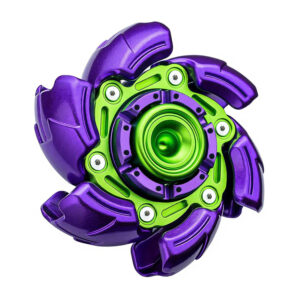
Made from durable, high-quality materials, this spinner is built to last and withstand hours of use. It has a lightweight and portable design.
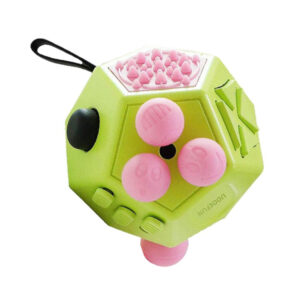
The 12-Sided Fidget Cube Toy is a versatile sensory tool designed to help children and adults manage stress, anxiety, and improve focus.
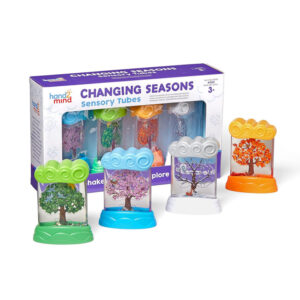
Each visual sensory set features four easy-to-grip, color-coded tubes representing a different season: spring, summer, fall, and winter.
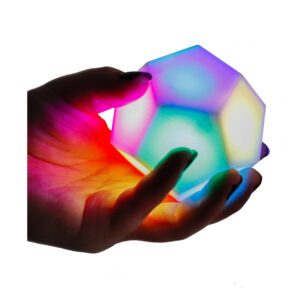
This innovative toy features vibrant light displays, tactile feedback, and engaging sounds, making it an excellent tool for stress relief.
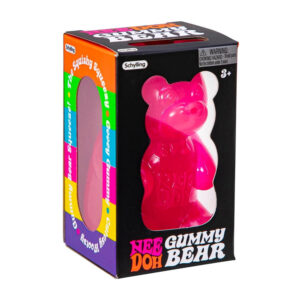
The Schylling NeeDoh Gummy Bear is a tactile sensory fidget toy designed to provide stress relief and promote focus. Shaped like a classic gummy bear.
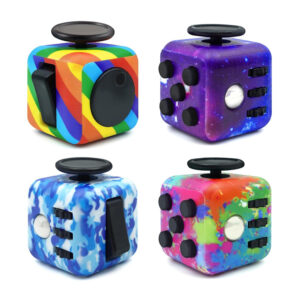
Featuring multiple interactive elements, this cube offers a mix of tactile movements and audible clicks, making each press, flip, or turn engaging.
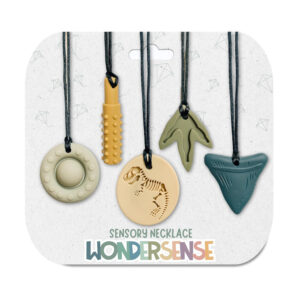
The Chewelry Silicone Necklace is a stylish and safe chewable accessory designed for kids and adults who need a discreet sensory outlet.
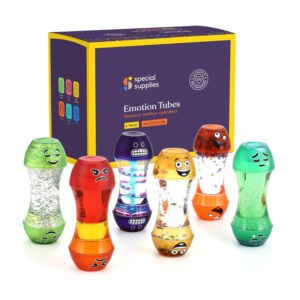
This 6-pack of vibrant liquid motion tubes provides a fun, sensory-filled experience for children and adults alike, combining education and play.
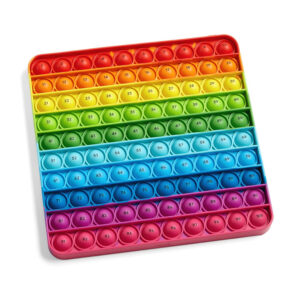
This innovative educational tool combines the classic hundred chart with the satisfying “pop” of a sensory bubble toy, making it ideal for young learners.