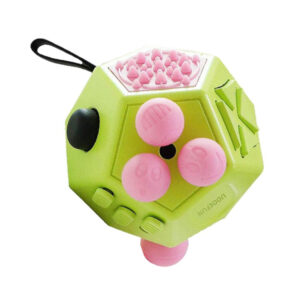
12 Sided Cube Stress Relief Toy by UOOEFUN
The 12-Sided Fidget Cube Toy is a versatile sensory tool designed to help children and adults manage stress, anxiety, and improve focus.
The 12-Sided Fidget Cube Toy is a versatile sensory tool designed to help children and adults manage stress, anxiety, and improve focus.
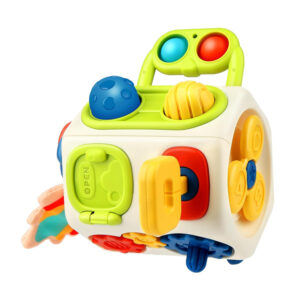
The Vanmor Montessori Busy Cube for Toddlers is an 8-sided hands-on sensory toy designed to support early learning through play.
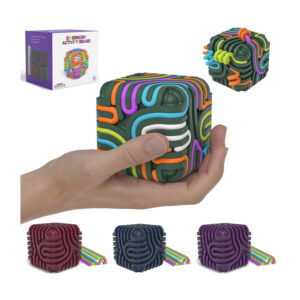
Made with soft, flexible silicone, this cube features a variety of textures, buttons, and pressable elements that invite squeezing, poking, and rubbing.
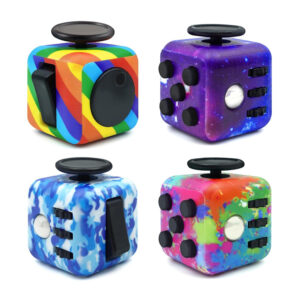
Featuring multiple interactive elements, this cube offers a mix of tactile movements and audible clicks, making each press, flip, or turn engaging.
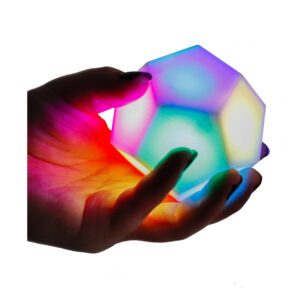
This innovative toy features vibrant light displays, tactile feedback, and engaging sounds, making it an excellent tool for stress relief.
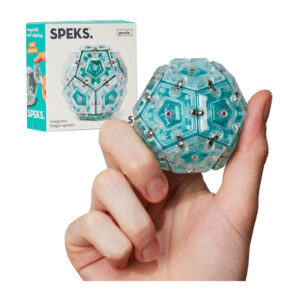
The Speks Geode Magnetic Fidget Sphere is a visually striking and deeply satisfying sensory toy designed for stress relief, focus, and creative play.
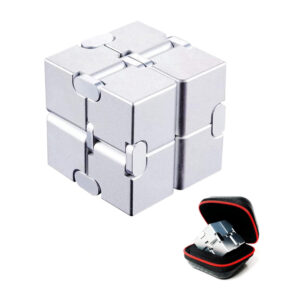
Crafted from high-quality aluminum alloy, this infinity cube offers smooth, continuous folding motion that creates a rhythmic fidgeting experience.
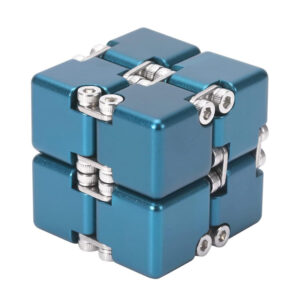
The Lifidea Aluminum Infinity Cube Fidget Toy is a durable, handheld stress-relief tool designed for smooth, continuous motion.
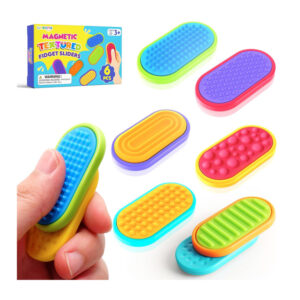
Designed with bright colors and smooth magnetic connections, these toys let children twist, snap, and rearrange pieces for a fun sensory experience.
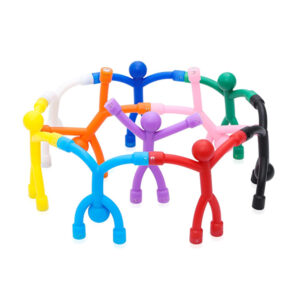
These Magnetic Travel Fidget Magnets offer a simple yet satisfying way to keep hands busy while adding a playful touch to any magnetic surface.
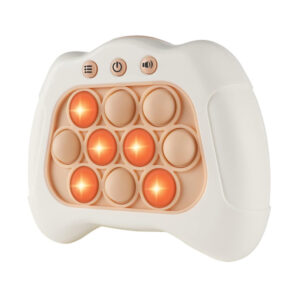
Pop The Target! is a handheld speed-pushing game machine designed for solo play or head-to-head competition. Compact and lightweight.
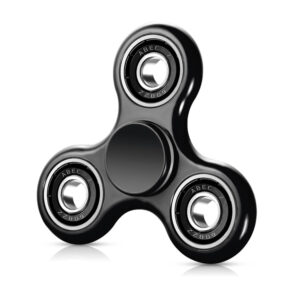
Crafted from high-quality ABS plastic, it features a durable steel bearing that ensures smooth, quiet spins lasting between 60 to 90 seconds.
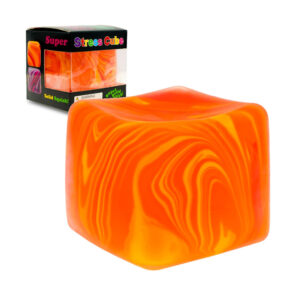
The Rising Squishy Stress Ball is a fun, tactile toy designed to relieve anxiety and keep hands busy. Made from soft, squeezable material.
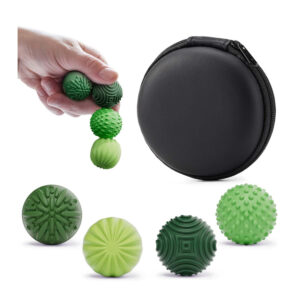
The luckdoor Silicone Magnetic Fidget Toy combines tactile textures with magnetic interaction for a uniquely satisfying sensory experience.
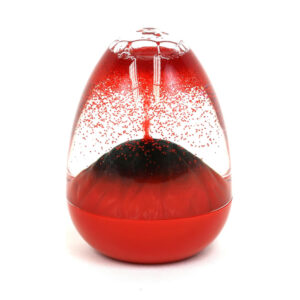
Watch as vibrant “lava” flows and shifts through the volcano’s channels, creating dynamic movement that captivates the eye.
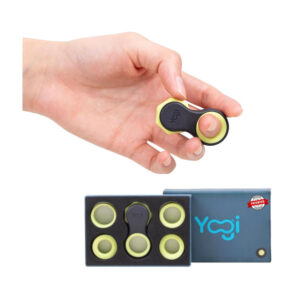
The Yogi Fidget Toy is a premium, silent sensory spinner designed to provide discreet stress relief and enhance focus for both adults and children.
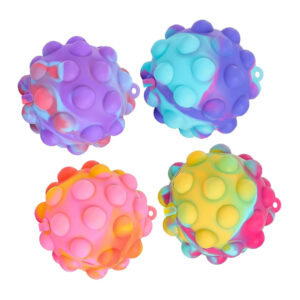
This colorful collection of sensory poppers blends hands-on play with soothing tactile feedback, making it ideal for stress relief.
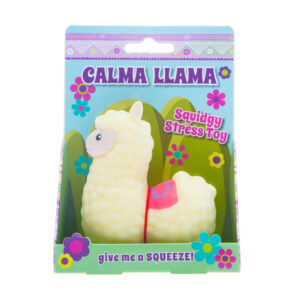
The Calma Llama stress toy is a playful silicone fidget companion shaped like a charming little llama. Feels tactilely engaging without being stiff.
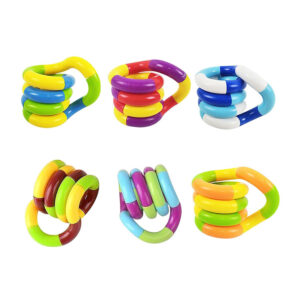
The Fidget Twist Toys Pack is a set of six multicolored sensory toys designed to provide hours of stress relief, focus enhancement, and tactile stimulation.
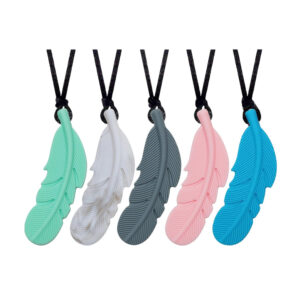
The Atsky Silicone Chew Necklace is a multi-functional sensory accessory designed for kids and adults with chewing, anxiety, SPD, or oral motor needs.