
Skincare can be a bit tricky for neurodivergent folks because sensory sensitivities, executive functioning challenges, and differing routines can all play a role in what works and what feels doable. The key is finding a routine that feels manageable, gentle, and tailored to your unique needs, rather than trying to force a “one-size-fits-all” system.
In this article, I will share some of my own experiences with skincare as a neurodivergent person who CANNOT stand oily surfaces and hopefully remind you that skincare is (or rather, should be!) self-care, not a chore. Tailor it to your comfort, your sensory preferences, and your lifestyle. When it works for you, it can be calming, grounding, and even a way to connect with yourself without adding extra stress!
Texture and Sensory Considerations
Neurodivergent people often experience heightened sensory sensitivities, which can make certain skincare products uncomfortable. For me, the oily feeling of most creams can be distracting and even painful, as my skin tends to react to it as much as my brain struggles with it, too. So, paying attention to texture, scent, and temperature can make a big difference.
For some people, thick creams or sticky serums can feel uncomfortable, while others might dislike foaming cleansers or anything with strong scents. It can help to test products in small amounts, focus on textures you tolerate, and choose fragrance-free or unscented options if scents are overwhelming.
Here are some tips around texture and sensory challenges:
- Textures to consider: Gel-based, lightweight lotions, or water-like serums may feel less heavy than thick creams. I personally use a combination of pure aloe and rosehip oil that gets absorbed super-quickly and leaves NO sticky residue.
- Avoid sensory triggers: Sticky, oily, or overly foamy products can feel uncomfortable to some.
- Fragrance-free or unscented: Scents can be overwhelming; look for products labeled “fragrance-free” or “unscented.”
- Temperature matters: Cool or warm products can feel very different on sensitive skin. Testing a small amount first can prevent discomfort.
It’s always a great idea to start with some patch testing. This means you try a little area of your skin and see how it all feels. To do this, just apply a tiny bit to your jawline or wrist to make sure the product feels good before using it all over.
Here are the two products I personally recommend. As I explained, I like mixing them in my hands first and then applying it to my face, back of hands, and neck:
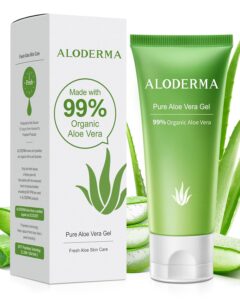
Get Aloderma 99% Organic Aloe Vera Gel >
($9.99, Amazon Affiliate Link)
Aloderma 99% Organic Aloe Vera Gel
This is my go-to when it comes to maintaining my skin healthy and hydrated. This is a lightweight, high‑aloe gel formulated with about 99 % organic aloe vera as the main ingredient, designed to hydrate, soothe, and calm skin without heavy or greasy texture. Aloderma uses a “farm‑to‑face” approach where aloe vera is harvested and processed quickly to preserve active nutrients, and the formula avoids harsh additives like parabens, sulfates, and artificial fragrances.
Key benefits include:
- Soothing and hydrating: Aloe vera naturally helps calm irritated or dry skin and adds moisture without leaving an oily feel.
- Gentle on sensitive skin: Its simple ingredient profile makes it generally suitable for a wide range of skin types, including sensitive skin.
- Versatile use: It can be used as a daily moisturizer, after‑sun gel, or light calming treatment. Some people even leave it on overnight or use it as a toner‑like layer in routines.
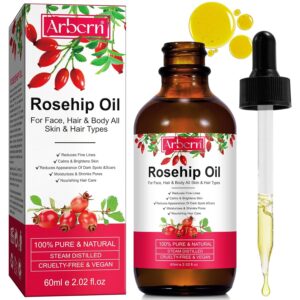
100% Cold Pressed Pure Rosehip Seed Oil Moisturizer >
($8.99, Amazon Affiliate Link)
100% Cold Pressed Pure Rosehip Seed Oil Moisturizer
These simple 100% pure cold‑pressed oils are lightweight facial oils derived from the seeds of wild rose bushes. They’re rich in essential fatty acids, antioxidants, and vitamins—particularly vitamins A, C, and E—which support skin health in several ways.
For example, they help moisturize deeply without a greasy feel, locking in hydration and supporting the skin’s barrier. Antioxidants also help with inflammation and calming irritation, which can be soothing for sensitive or reactive skin. And lastly, fatty acids help support collagen production and skin repair, which may reduce the look of fine lines, scarring, and dryness.
Skincare that interacts well with sensory preferences and routine simplicity can make a big difference:
- Non‑sticky, lightweight feel: Pure rosehip oil absorbs easily and doesn’t sit heavy on the skin like thick creams, which can be more comfortable for those sensitive to texture.
- Minimal ingredients: A 100% pure formulation avoids fragrances and fillers, which often trigger sensory discomfort or irritation.
- Multi‑use potential: A single product can moisturize and soothe, which cuts down on the number of steps/products needed.
Simplicity is Your Friend
A short, predictable routine—like cleansing, moisturizing, and sun protection—can be easier to maintain than a multi-step ritual that feels overwhelming. Some neurodivergent people benefit from visual or written routines, reminders, or placing products in consistent, visible spots to make the steps easier to remember.
Here are some tips for a simple routine and, below, a simple product that can cover your skincare needs for a very affordable price.
- 3-step basics: Cleanser → Moisturizer → Sunscreen. You can add extras later if desired. I’ve added an example of a product kit that does this below.
- Choose multipurpose products: Some moisturizers have SPF or soothing ingredients built-in to cut down steps.
- Visual cues: Place products in the same order or location each day for easy recall.
- Routine cards or sticky notes: Writing out steps or using pictures can help keep the routine predictable.
- Morning vs evening differences: Some people prefer one simple routine for morning and a slightly more thorough one for nighttime.
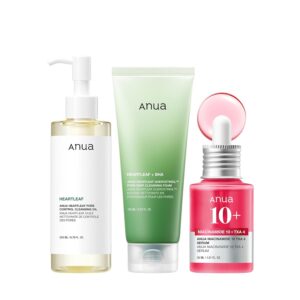
Anua 3-Step Glass Skin Set With Serum, Oil Cleanser & Face Wash >
($45, Amazon Affiliate Link)
Anua 3-Step Glass Skin Set With Serum, Oil Cleanser & Face Wash
This three‑step routine includes a deep cleansing oil, a gentle Heartleaf‑infused face wash, and a facial serum with niacinamide and other brightening actives. This set is often recommended for beginners, people wanting a simplified double‑cleansing routine, and those curious about K‑beauty steps without overwhelming themselves.
Step 1 – Deep Cleansing Oil: The oil cleanser helps remove makeup, sunscreen, excess sebum, and other impurities without stripping your skin’s natural moisture.
Step 2 – Heartleaf Face Wash: This cleanser foams lightly and uses Heartleaf extract (Houttuynia cordata), which is known for soothing properties and can help calm irritation while cleansing. It’s generally gentle enough for many skin types including oily, combination, and sensitive.
Step 3 – Niacinamide + Serum: The set’s serum typically incorporates niacinamide, tranexamic acid (TXA), and arbutin, which work together to support skin clarity, tone balance, brightness, and hydration.
A Simple Skincare Routine With Easy Products
It’s important to recognize that missing a step or adjusting your routine doesn’t mean failure. Skincare should fit into your life, not create extra stress.
If a day feels like too much, skipping a step or doing a quicker version is better than guilt-tripping yourself. Consistency over perfection matters more than checking off a full 10-step routine.
Here’s a simple, gentle skincare routine for sensitive skin using products you can easily find or make at home. It focuses on calming, hydration, and minimal irritation, and can work well for neurodiverse people.
Morning Routine
- Cleanser – Gentle, Non-Foaming: Use a mild, fragrance-free cleanser or a homemade option like oatmeal + water paste to remove overnight sweat and dirt. Tip: Avoid hot water; lukewarm is better to prevent irritation.
- Toner / Soothing Layer (Optional): You can skip this if your skin is easily irritated. If you like, dab a few drops of rose water or aloe vera gel for gentle hydration.
- Moisturizer – Lightweight & Calming: Use a fragrance-free lotion or cream. Ingredients like glycerin, aloe, or shea butter are soothing. Tip: Apply gently without rubbing; pat it in instead.
- Sun Protection: Use a mineral sunscreen (zinc oxide or titanium dioxide) that’s labeled for sensitive skin. Tip: Test a small patch first, as even physical sunscreens can sometimes sting sensitive areas.
Evening Routine
- Cleanser – Gentle, Again: Same as morning. If you wear makeup, consider a few drops of natural oil like rosehip or jojoba oil to dissolve makeup before the gentle wash.
- Hydrating / Soothing Serum (Optional): Use a small amount of pure aloe vera gel or rosehip oil on areas that feel dry or irritated. Tip: Patch test first to make sure your skin tolerates it.
- Moisturizer – Richer Option (Optional): If your skin is very dry, you can use a slightly thicker cream at night. Barrier-repair creams with ceramides are excellent for sensitive skin.
My Skin-Friendly Product Suggestions
for Neurodivergent People
Gentle cleansers, fragrance-free moisturizers, and broad-spectrum SPF are basics that suit most skin types. You can layer in actives like exfoliants or serums gradually, but only if your routine can handle them without sensory overwhelm or stress. Choosing gentle, reliable products also reduces the chance of irritation and makes the routine easier to stick with.
Gentle Cleansers and Moisturizers
Look for sulfate-free, mild formulas. Creamy or lotion cleansers are usually less irritating than foaming ones and fragrance-free moisturizing creams, lotions, or ointments are usually better, too. Here are some cleansers and moisturizers with excellent reviews from people with skin sensitivities:
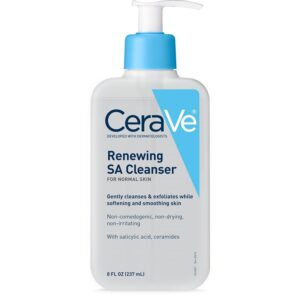
CeraVe Renewing Salicylic Acid Cleanser >
($13.44, Amazon Affiliate Link)
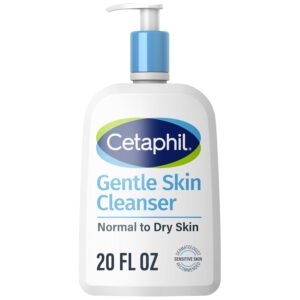
Cetaphil Face Wash Hydrating Gentle Skin Cleanser >
($13.44, Amazon Affiliate Link)
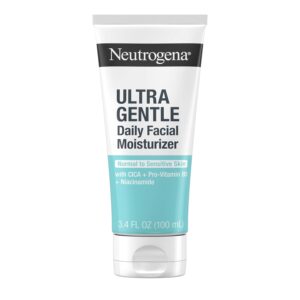
Neutrogena Fragrance Free Daily Facial Moisturizer >
($8.47, Amazon Affiliate Link)
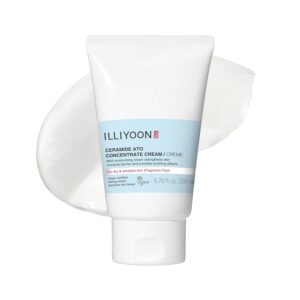
Illiyoon Ceramide Ato Concentrate Cream >
($24.99, Amazon Affiliate Link)
Sun protection
Broad-spectrum SPF 30+ is recommended daily, even if indoors. Mineral-based sunscreens can be less irritating for sensitive skin. Sunscreen is one of the most important parts of skincare because it protects your skin from the sun’s ultraviolet (UV) rays, which are a major cause of damage over time. Daily sun exposure, even on cloudy days or through windows, can lead to premature aging and reduce the risk of skin cancer. So, this type of skincare product is not just a cosmetic step but an essential health measure for all.
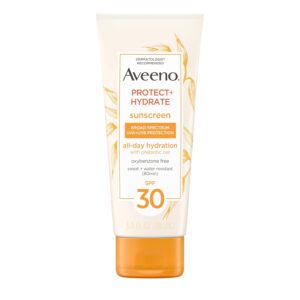
Aveeno Protect + Hydrate Moisturizing Sunscreen Lotion >
($14.99, Amazon Affiliate Link)
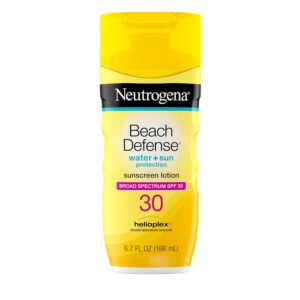
Neutrogena Sunscreen Lotion Beach Defense SPF 30 >
($13.49, Amazon Affiliate Link)
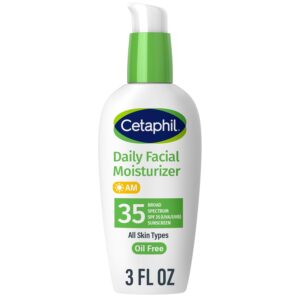
Cetaphil Free Facial Moisturizer with SPF 35 >
($14.12, Amazon Affiliate Link)
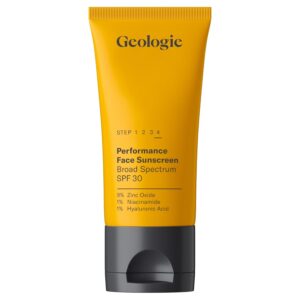
Geologie Broad-Spectrum Face Sunscreen SPF30 Moisturizer >
($39, Amazon Affiliate Link)
Conclusion: Flexible Routines Are Okay!
“Good enough” is fine: Even just cleansing and moisturizing is better than nothing.
Adjust by day: Some days you may want to do a full routine; other days, a quick version is perfect.
Listen to your body: Your skin and sensory needs might change depending on stress, hormones, or weather.
Keep a “quick kit”: A few trusted products in a small pouch can help you maintain care even on busy or low-energy days.