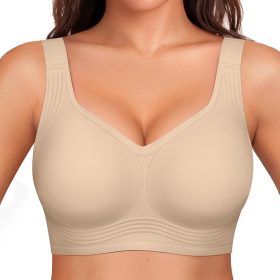
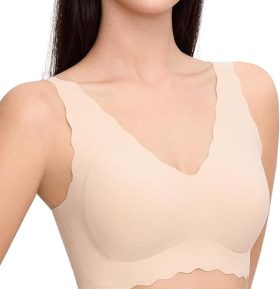
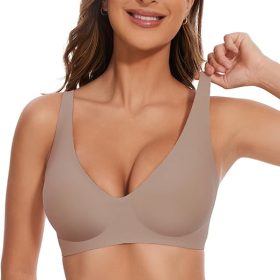
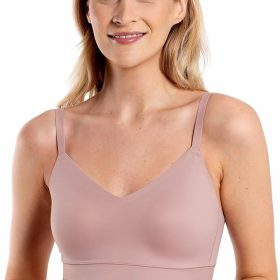
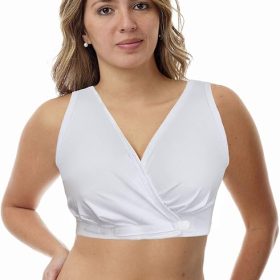
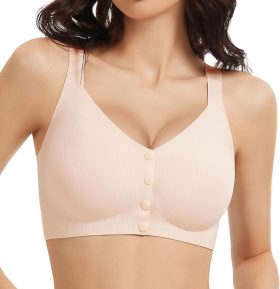
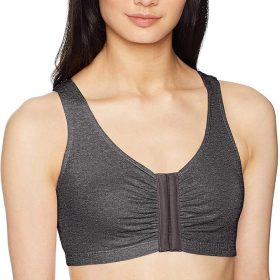
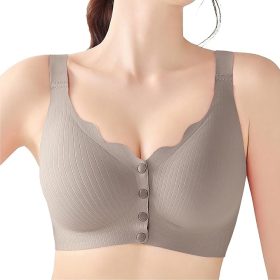
Finding a good bra when you have sensory issues can be challenging. So, I have asked a few community groups about what works best, and I’ve gathered the advice on this page. Many people with neurodivergent sensory needs prefer wire-free, tag-free, seam-minimal styles, or sports-bra–like designs because they reduce pressure points and irritation that can trigger anxiety, discomfort, or sensory overload.
People with autism and/or sensory issues often share that bras with minimal seams and soft stretch materials (including some maternity or nursing bras, front-closure options, and adjustable racerback styles) can be more comfortable for sensory-sensitive bodies, especially if seams, hardware, or tight elastic trigger discomfort.
Bras with high necklines or wide straps (and fabrics like soft modal, bamboo, jersey, or seamless knits) are also commonly mentioned as easier to wear than traditional underwired, lace, or rigid styles. Similarly, many folks find sports bras or bralettes more tolerable—they often don’t have hooks, wires, or tight bands that can feel restrictive.
Let me share my findings so you can also find the perfect bra! I’ve grouped these all into bras for low sensory load, bras for comfort and function, and accessible bras.
Finding a Bra That Fits (and Doesn't Distract or Harm You!)
Many neurodivergent people talk about common bra irritants such as scratchy tags, seams that rub, wires that dig in, or straps that pinch and how those sensations can cause anxiety or discomfort that’s hard to ignore.
In communities like r/ABraThatFits and r/AutismInWomen, people often mention that bras which feel like nothing (such as bralettes, modal/cotton blends, or soft seamless pieces) can make wearing a bra feasible without constant sensory distraction. Going for wire-free, tag-free, seamless, soft fabric designs can lso reduce those friction points, and stretchier bands/braces can “move with you” instead of feeling like they’re pressing against the skin.
Let’s explore these claims in more detail. I’ve created three groups that I personally think are a great way to navigate the topic. These are bras for low sensory load, bras for comfort and function, and accessible bras.
1. Barely-There Comfort Bras (Low Sensory Load)
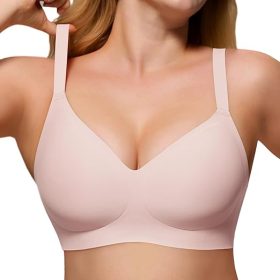
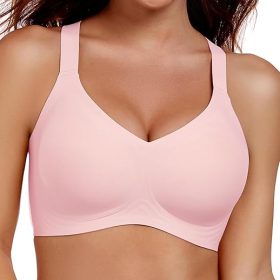
These are best for days when any pressure, seams, or tightness feels overwhelming. They usually feel more like a soft layer than a traditional bra. Ideal for lounging, working from home, or low-energy sensory days. They are often seamless, wire-free, tag-free, and made from very soft fabrics like modal or bamboo. Support is light, but comfort is the priority.
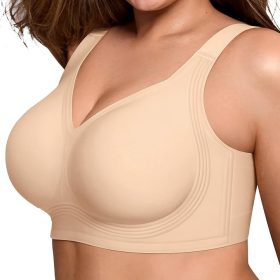
Here are some “Barely-There Comfort Bras” available on Amazon UK that many people find soft, wireless, and low sensory load — meaning they’re good options if you’re sensitive to rigid structure, seams, or scratchy hardware.
2. Supportive Wireless Everyday Bras (Balanced Comfort + Function)
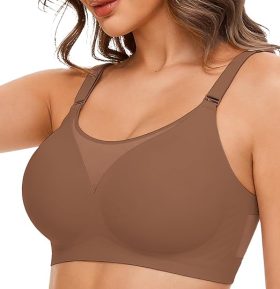
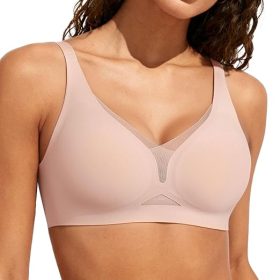
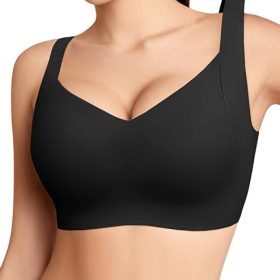
This group works well for people who need more lift or coverage, especially with larger busts, but still can’t tolerate underwires or scratchy materials. These bras are designed to be structured without being harsh, often with wide straps, smooth cups, and gentle shaping. They’re good for daily wear when you want support but still want a sensory-friendly experience.
3. Adaptive and Sensory-Specific Bras (Custom Needs + Accessibility)
These are ideal for people with very specific sensory triggers or accessibility needs. This group includes front-closure bras, bras with adjustable compression, nursing-style bras, or brands that focus on sensory-aware clothing. They often minimize hardware, avoid lace and itchy elastic, and may offer flexible sizing for body changes. These are especially helpful if traditional bra designs cause distress or distraction.
Experts emphasise that the right cut (such as full-cup, minimiser, or wide underband styles) matters for support and comfort, and these styles also help with projection, lift, and reducing bounce, which can make bras easier to wear all day.
Most people with sensory sensitivities and larger busts find wire-free, seam-minimal or tagless, and stretchy designs more tolerable than rigid, wired structures. Choosing bras with wide straps and soft underbands can gently distribute weight without sharp pressure points, which helps make wearing a bra feel less like a sensory challenge and more like a comfort layer.
Autistic-Friendly Bras for Comfort & Support
Comfort + Everyday Support (Great for Sensory Sensitivities)
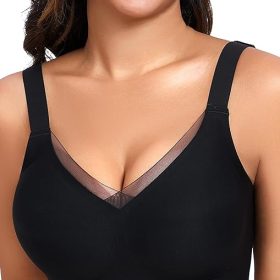
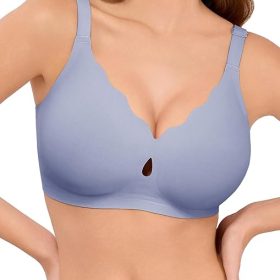
These bras prioritise soft fabrics, wire-free comfort, and gentle support, key for large busts that need coverage without poking, digging, or restrictive structure. For those who want structure without aggressive hardware, or prefer slightly different styles, these bras are also a great choice.